


Introduction
When you hear the seasons ‘spring’ and ‘summer’, the first thing that comes to your mind will be the warm weather and nature blooming. But it is the opposite for homeowners in Denton, as these are the two seasons with peak storms.
Hailstorms, heavy rainfall, and strong winds are the main weather issues. Shingle damage, leaks, and weak roofing structures are the aftermath of a storm season. Lack of maintenance by the best roofing company Denton is harmful to your roof’s health and your finances.
Reading further, you will know how to protect your roof before the next storm season hits you.
Overview of Storm Season in Denton
Months of March through June are when the Tornados hit the hardest. Heavy rainfall and lightning are other common weather risks.
The impact they could have on the roofs is damaging shingles, loose flashing, weak roofing materials, and leaks.
Pre-Storm Roof Inspection Checklist
Before calling a professional roofer for an inspection, look out for these damages:
- Obvious damage or debris from ground level
- Missing, loose, or curling shingles
- Flashing condition around chimneys and vents
- Sagging or soft spots
If you find any of these symptoms positive, it is a signal to call a Roofing company Denton.
Repairing Minor Roof Issues Before Storms
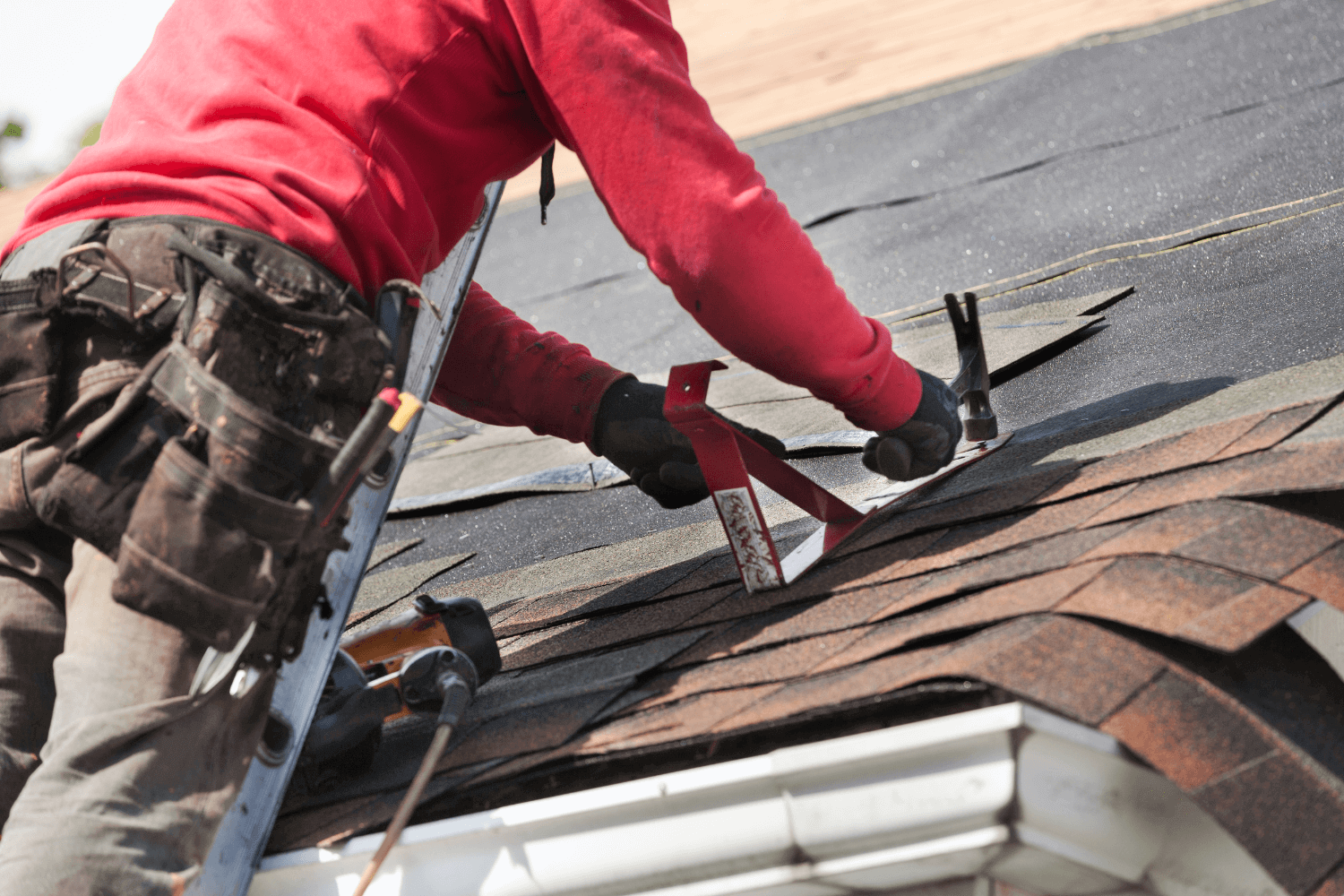
Minimal roof issues are solved in four ways: fixing loose shingles, sealing small leaks, replacing damaged flashing, and addressing small issues early.
After a strong wind, shingles can become loose or lifted. Replacing/fixing them post-storm will protect your roof and the building’s structure for the next storm.
Minor leaks can escalate into major ones during heavy rain and wind/storm. Sealing them early means limiting insulation and ceiling damage.
Heavy rain or wind can damage the existing flashing around chimneys, vents, and skylights. Replacing damaged flashing can prevent water from entering the vulnerable roof joints.
Harsh weather is a catalyst for minor issues to become major ones. The earlier you address them, the more protected you are from the next storm.
Gutter and Drainage System Preparation
Having a clear gutter is important. When your gutter is filled with dirt, clogs, buildup, and debris, it will prevent the water’s free flow, leading to leaks. During a heavy storm or rainfall, when water can’t flow freely, it can build up behind shingles or spill over the edges.
So, a clear gutter and path for water (downpipe) to flow can prevent soil erosion, basement leaks, and structural issues. To ensure that the downpipe route is right, check whether it is several feet away from the home foundation.
Tree Trimming and Exterior Maintenance
Having trees next to your house gives you a green, clean environment, but they shouldn’t hinder your roof’s smooth functioning. Hanging branches, leaves, twigs, and other debris can create roofing damage such as scraping shingles or breaking, moisture trapping, mould growth, and premature roof deterioration.
The solutions for these issues are regular removal of leaves, twigs, debris, and cutting off hanging branches. These loose elements, during strong winds or rain, can cause severe roof damage.
Strengthening Your Roof for Severe Weather
You need to know how the best roofing company Denton strengthens your roof. Roofers:
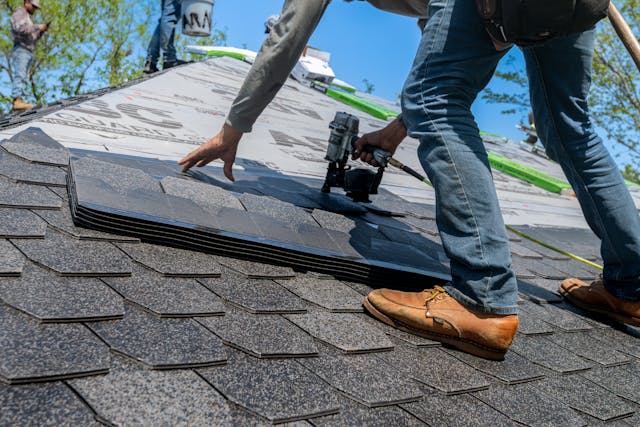
- Uses Impact-Resistant Shingles – They resist hail and storm damage. This reduces cracks, dents, and granule loss.
- Upgrade to Wind-resistant materials – They are made to stay fastened, so they do not get lifted or torn off during heavy rain/storms.
- Reinforce flashing and seals – It will limit the leaking and water invasion during harsh weather.
- Check the attic ventilation – Proper ventilation reduces heat buildup, moisture damage, and extends the roofing lifespan.
Documenting Roof Condition for Insurance
Documentation is done for the insurance claim. Two important steps in documentation are taking clear photos and maintaining records/documentation. Photos and documents verify the roof’s condition after a storm, which helps to get a claim approval. Make sure your documentation is organized so you can claim faster and easier.
What to Do Immediately After a Storm
You must complete four stages after a storm:
- Follow Safe Inspection Practices – To ensure that the area is safe from fallen power lines or loose debris.
- Identify Visible Storm Damage – Watch out for missing or broken shingles, dented metal panels, damaged flashing, clogged gutters, or debris on the roof.
- Apply Temporary Protective Measures – Cover exposed areas or leaks with a tarp or waterproof sheet to prevent further water intrusion.
- Contact a Local Roofing Professional – They can assess hidden damage, recommend proper repairs, and help document the damage for insurance claims if necessary.
Why Work with a Local Roofing Company in Denton

Knowledge about local building codes and weather patterns, familiarity with Dallas County’s building codes, permit requirements, and inspection procedures, direct experience with the local weather problems, and reputable, insured, and licensed teams can simplify the legal work related to roofing. These are the answers to choosing the best roofing company in Denton.
Local service providers can get to your location quickly. Being nearby allows them to react fast to repairs, inspections, and emergencies; they can frequently arrive in a matter of hours. Quicker service gets your roof back in shape sooner and lessens the amount of time your house is vulnerable to additional damage.
Conclusion
We are always asked to stay indoors during harsh weather because our building protects us from severe damage. For our building to protect us, it needs a strong roof in a strong storm. To strengthen your roof, you need to consistently inspect and maintain it.